
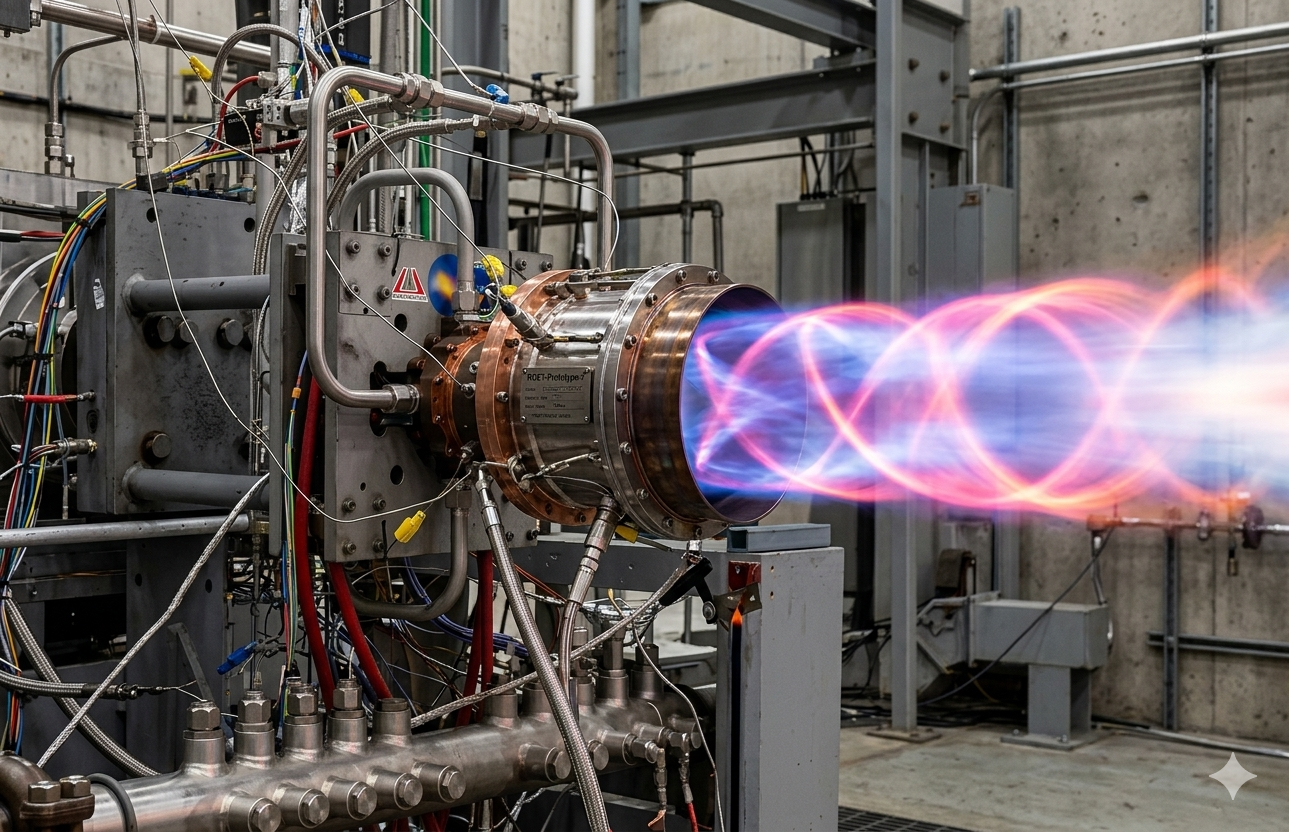
The collaboration leverages Venus Aerospace’s proprietary propulsion design, which replaces traditional subsonic combustion with traveling detonation waves to boost range and speed. By pairing this technology with Lockheed Martin’s extensive manufacturing and systems integration capabilities, the companies aim to produce scalable, affordable solutions for modern defense needs.
Tim Cahill, president of Lockheed Martin Missiles and Fire Control, emphasized that the initiative centers on rapidly fielding advanced capabilities to maintain a decisive tactical edge. This move follows a successful high-thrust engine flight test conducted by Venus Aerospace in May 2025. The recent financing round, led by Mercury Fund with participation from Lockheed Martin Ventures, provides the capital necessary to bridge the gap between initial demonstration and full-scale deployment.
Comments (0)
No comments yet. Be the first!