
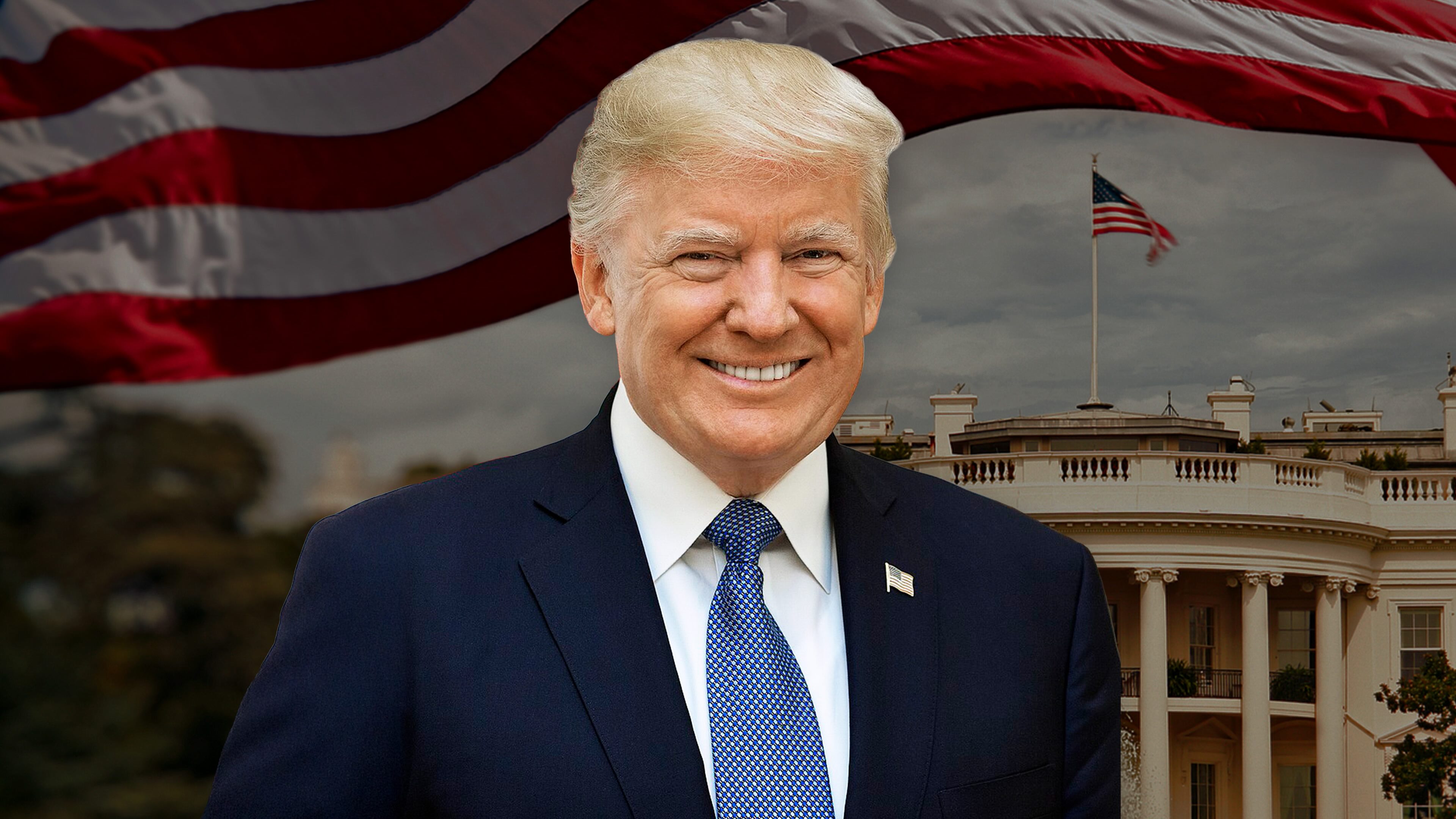
Joined by leaders from Coinbase, Ripple, and Gemini at a White House event, Trump framed the legislation as a strategic imperative to maintain U.S. competitive dominance. The bill seeks to bifurcate oversight between the Securities and Exchange Commission (SEC) and the Commodity Futures Trading Commission (CFTC), establishing clear legal categories for digital assets. For industry executives like Coinbase CEO Brian Armstrong, the primary goal is durability; federal law would secure current regulatory progress against potential reversal by future administrations.
However, the path to the Senate floor is fraught with legislative friction. While the House passed its version in July 2025, Senate negotiators remain deadlocked over ethics restrictions for government officials, stablecoin rewards, and the treatment of decentralized protocols. Trump’s own digital asset interests have further complicated discussions, as Democrats push for stringent ethics language that could impact his family’s holdings. With Republicans holding only 53 seats, the bill requires significant bipartisan support to overcome a filibuster before the pre-election campaign window closes. Market analysts have grown increasingly skeptical, with Polymarket prediction data indicating the probability of passage has plummeted from 82% in February to under 20%.
Comments (0)
No comments yet. Be the first!