
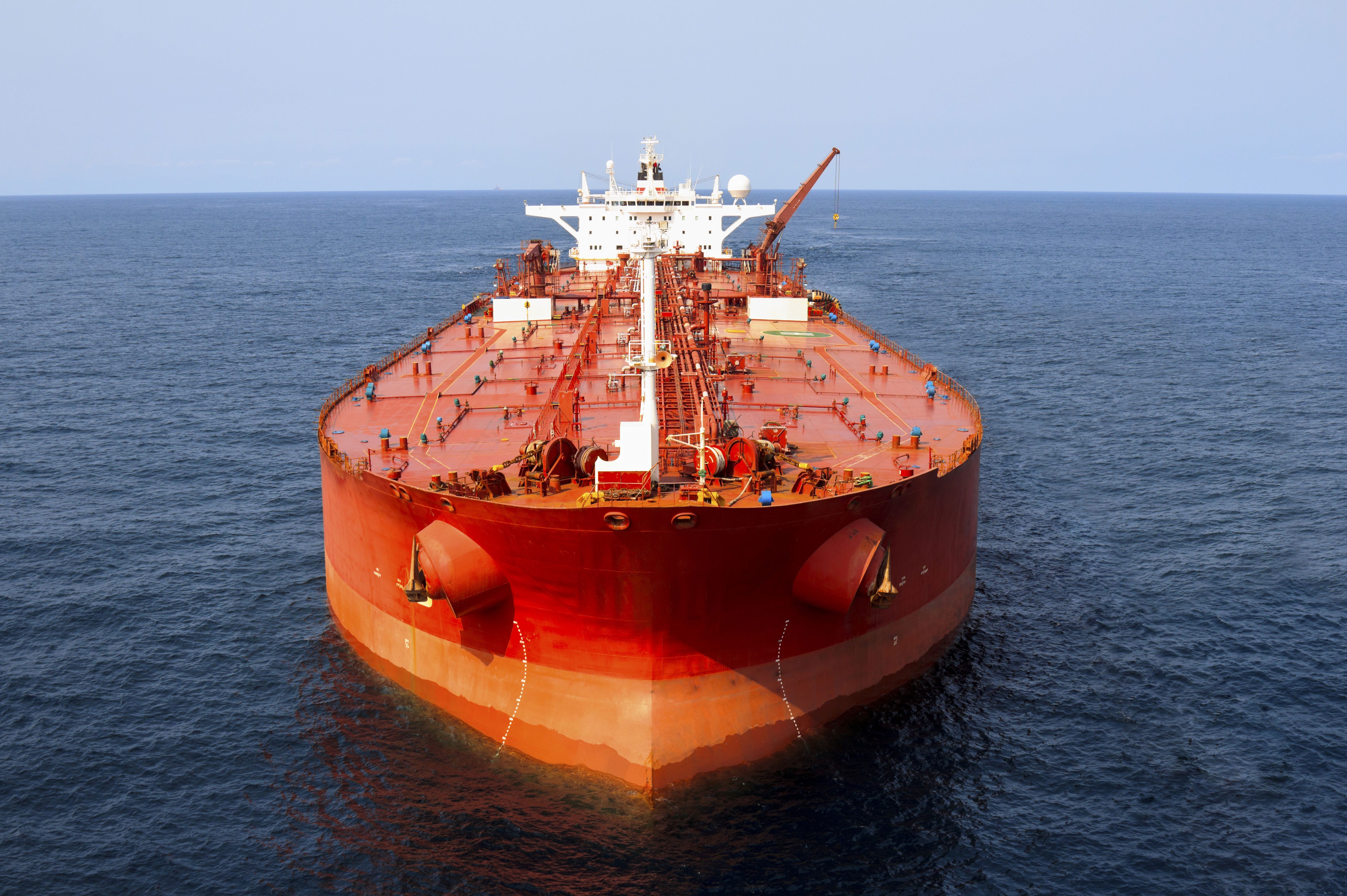
West Texas Intermediate crude futures climbed 1.3% to $91.41 a barrel on Wednesday, breaching the $90 threshold for the first time since May. Brent crude followed suit, rising 1.5% to $96.11. The volatility stems from retaliatory strikes: President Trump confirmed U.S. actions against Iranian mining operations in the strait, while Tehran responded with missile and drone launches across the Persian Gulf. Regional repercussions are mounting, with Jordan reporting the interception of 13 ballistic missiles, alongside reports of hostile fire in Kuwait and Bahrain.
Commerzbank analysts warned that the military standoff effectively reverses recent diplomatic optimism, threatening a prolonged disruption to energy flows. Investors are reacting with heightened anxiety, fearing that the energy shock will cement inflationary pressures. This sentiment fueled a selloff in government debt; Japan’s 10-year bond yield hit a three-decade high of 3.015%, while Australian sovereign yields climbed to their highest intraday levels since 2011. Equity indices across the Asia-Pacific reflected this instability, with Japan’s Nikkei sliding 2.9% and South Korea’s Kospi falling 3.0% as markets brace for sustained geopolitical instability.
Comments (0)
No comments yet. Be the first!