
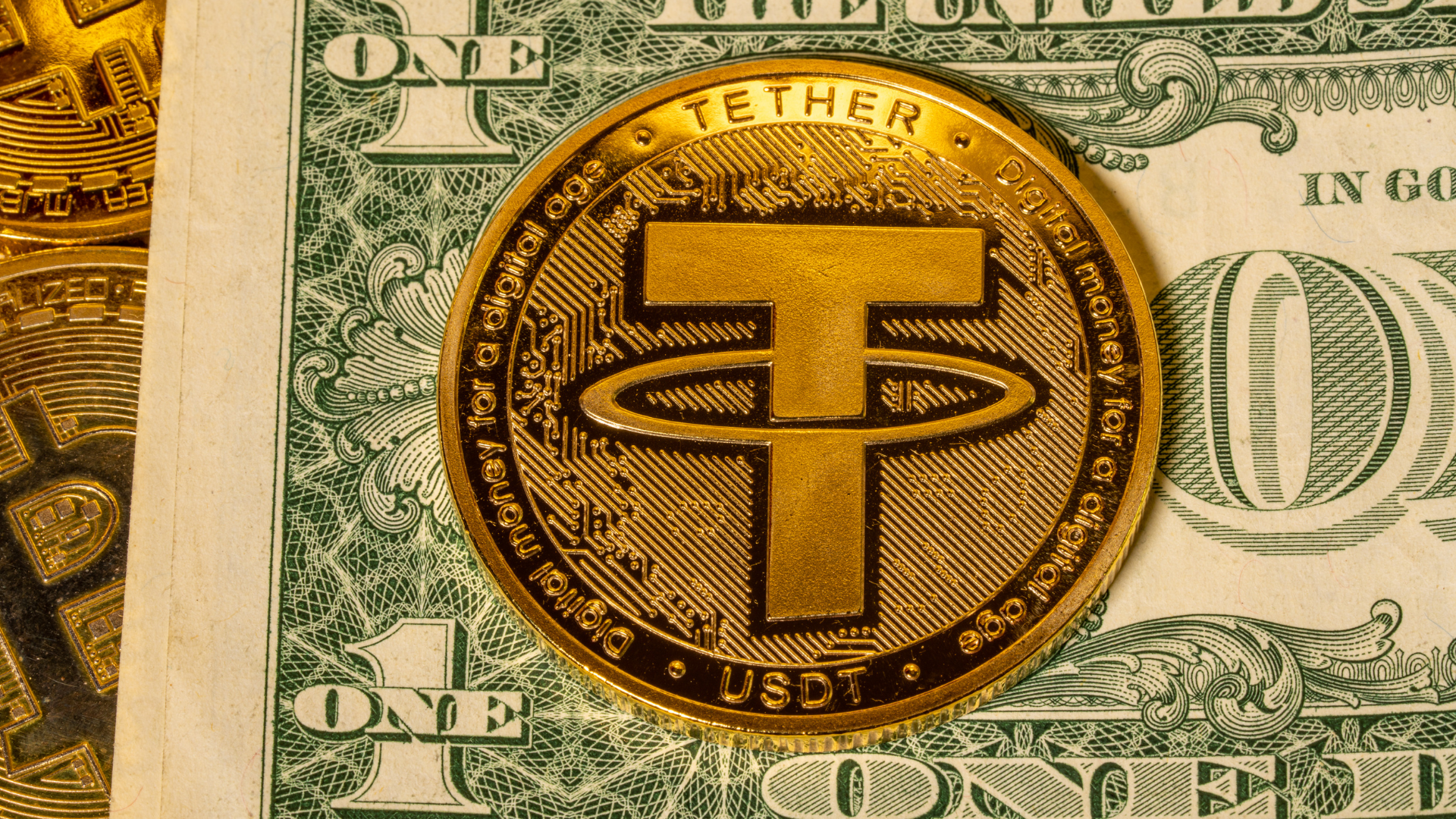
The complaint, filed in the Southern District of New York, identifies ten specific TRON wallets that allegedly served as conduits for more than $1.5 billion in transactions tied to sanctioned petroleum sales. Investigators claim that two firms, Blessed Trust Limited and Hexa Whale Trading Limited, utilized these accounts to convert crude oil profits into cryptocurrency. According to court filings, these entities masqueraded as wealth-management or commodities firms while funneling capital to the Iranian exchange Nobitex and various fronts connected to the country’s military apparatus.
A seizure warrant signed by Magistrate Judge Ona T. Wang authorizes the FBI to take custody of the assets. The process involves Tether burning the tokens in the targeted wallets and issuing replacements to the U.S. government, which will store them in an FBI-controlled hardware wallet. While the Justice Department has linked these flows to companies like Sepehr Energy Jahan Nama Pars—already under U.S. sanctions—the current action remains a civil proceeding against the assets themselves rather than a criminal indictment of the firms involved.
Binance, which previously hosted accounts for the entities, has denied any direct involvement with Iran-based clients. The exchange maintains that it offboarded both Blessed Trust and Hexa Whale following internal compliance reviews and has consistently challenged allegations that it knowingly facilitated sanction evasion. Despite this, the DOJ filing highlights that approximately $22.2 million of the funds passed through U.S.-based correspondent accounts, raising questions about the efficacy of current sanctions-screening protocols.
Comments (0)
No comments yet. Be the first!