
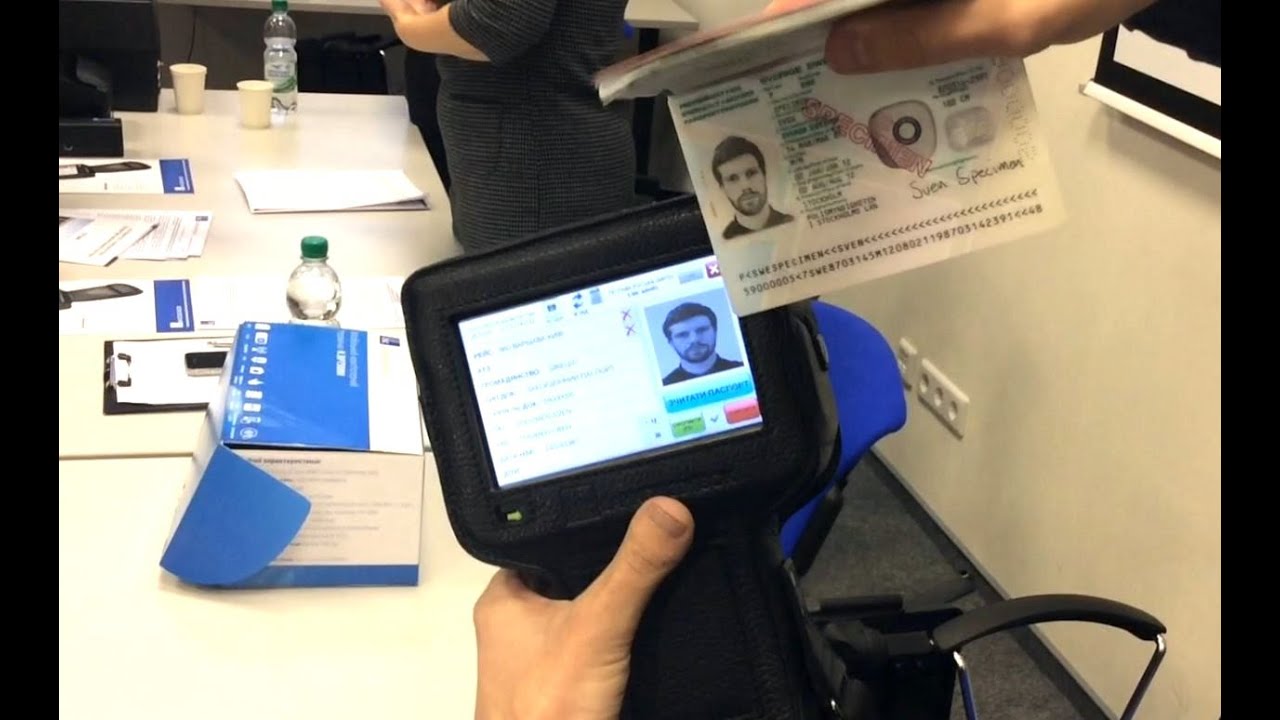
The system functions by utilizing a smartphone's NFC chip to authenticate a passport, then encrypting the identity data directly to a user's Starknet wallet. Instead of handing over entire documents, users register specific attributes on an onchain registry. Verifiers then check zero-knowledge proofs against this registry, confirming facts like age or eligibility without ever accessing the underlying personal information.
This development arrives as the financial burden of data breaches hits record highs. The Identity Theft Resource Center recorded 3,322 U.S. data compromises in 2025, while IBM estimates the global average cost of a breach at $4.4 million. By adopting a self-custody model, StarkWare aims to eliminate the need for institutions to maintain databases of passport copies and residential addresses.
Private KYC operates within the broader STRK20 privacy framework, which StarkWare recently introduced to enable shielded asset transfers. While the company emphasizes that this tool is a risk-based approach rather than a guarantee of regulatory approval, it signals a shift toward selective disclosure. Unlike World ID, which relies on iris-scanning hardware, StarkWare’s implementation centers on existing identity documents and mobile verification, placing the onus of data control back on the individual.
Comments (0)
No comments yet. Be the first!