
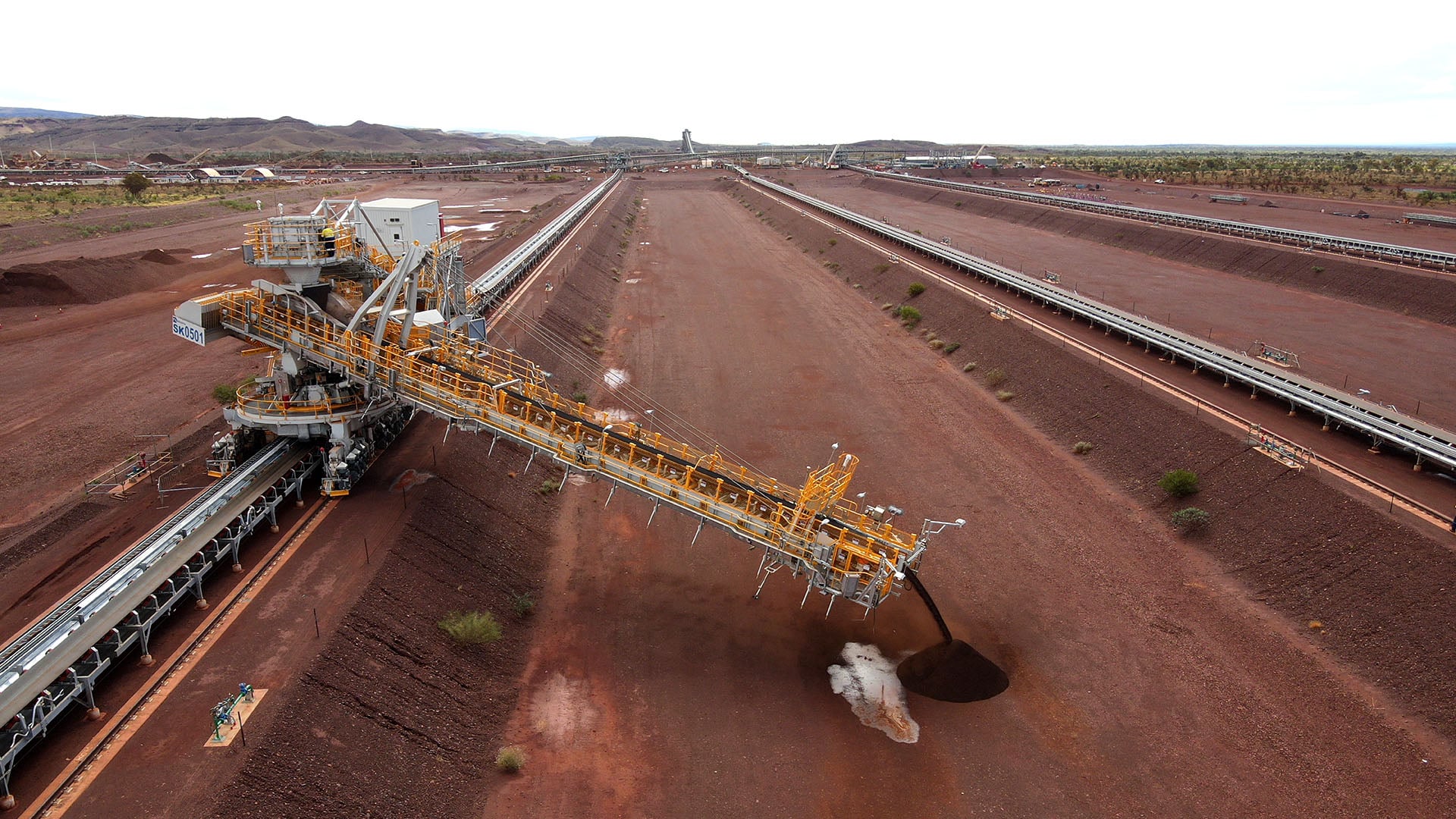
Chief Executive Simon Trott attributed the surge to productivity gains and healthy stock levels, noting the firm reached its highest first-half production in the Pilbara region since 2018. While iron-ore output remained flat at 83.5 million tons, the company successfully offset higher diesel costs—which climbed from $85 to $140 per barrel—by maintaining strict control over mining expenses. The miner reaffirmed its annual iron-ore cost guidance of $23.50 to $25.00 a ton.
In the copper division, the outlook has brightened due to elevated gold prices acting as a byproduct tailwind. Rio Tinto slashed its 2026 C1 net unit cost guidance for copper to 30-50 U.S. cents per pound, down from its previous estimate of 65-75 U.S. cents. This shift comes despite a 7% drop in second-quarter copper output to 213,000 tons. Production at the Kennecott smelter near Salt Lake City will remain constrained for roughly 75 days following a furnace breach, forcing a reduction in refined metal output for the remainder of the year.
Comments (0)
No comments yet. Be the first!