
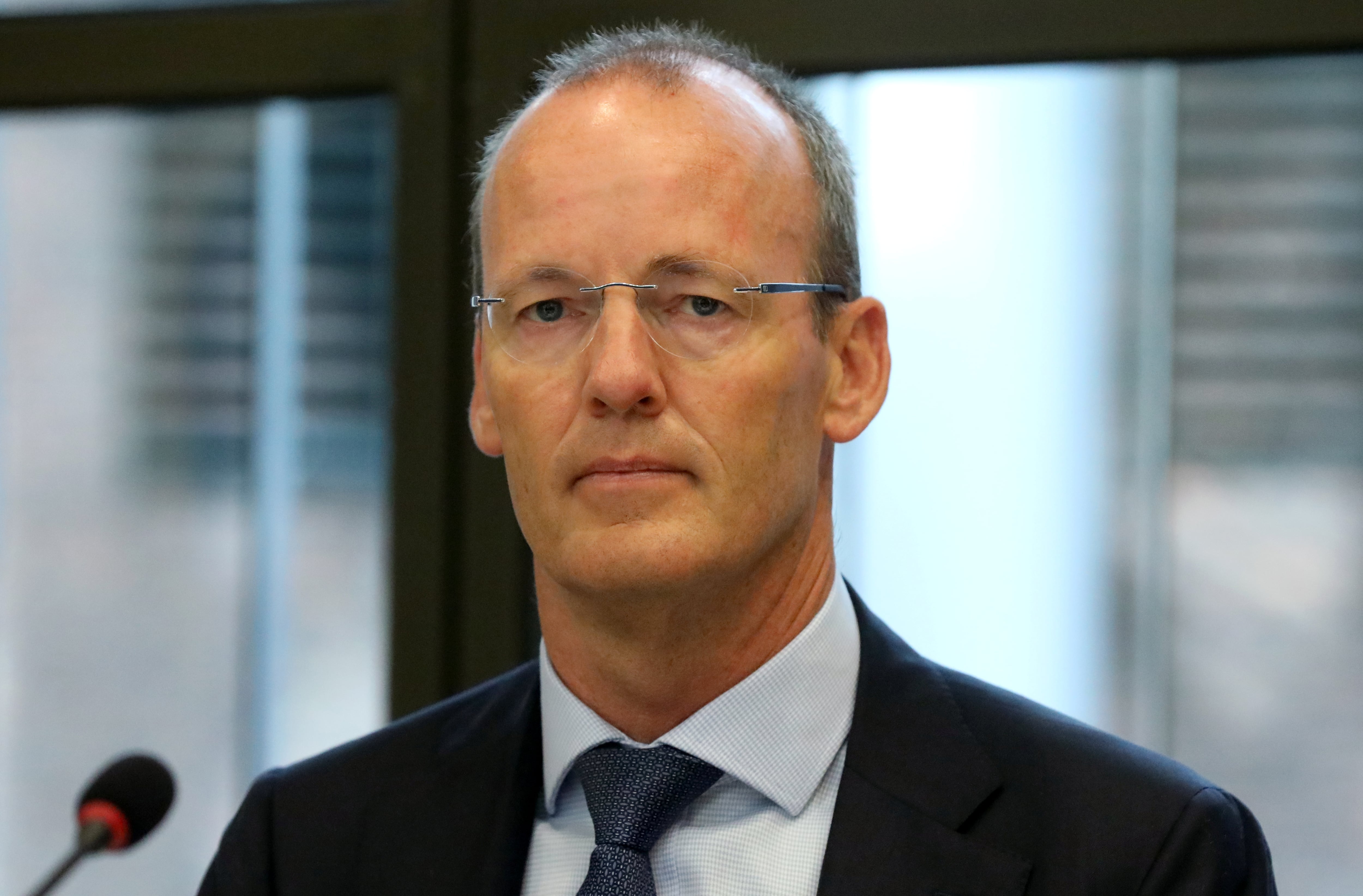
The strategy, supported by President Emmanuel Macron, sets the stage for a high-stakes diplomatic clash with Berlin. While Knot is widely viewed as a pragmatic hawk, his path to the presidency remains complicated by the competing interests of the euro zone's major economies. France is currently weighing a shortlist for the chief economist position, including Banque de France Deputy Governor Agnes Benassy-Quere and former OECD chief economist Laurence Boone, to ensure their influence remains firmly rooted in Frankfurt.
Germany is expected to resist the plan, particularly as officials in Berlin view the chief economist post—the board's second most powerful seat—as a priority for their own economic agenda. The urgency of these negotiations has intensified amid persistent speculation that current president Christine Lagarde and board member Isabel Schnabel may vacate their posts before their terms expire in late 2027. Should these exits occur, the subsequent power vacuum would force a rapid realignment of the bank's leadership, pitting French efforts to retain policy influence against German demands for fiscal orthodoxy.
Comments (0)
No comments yet. Be the first!