
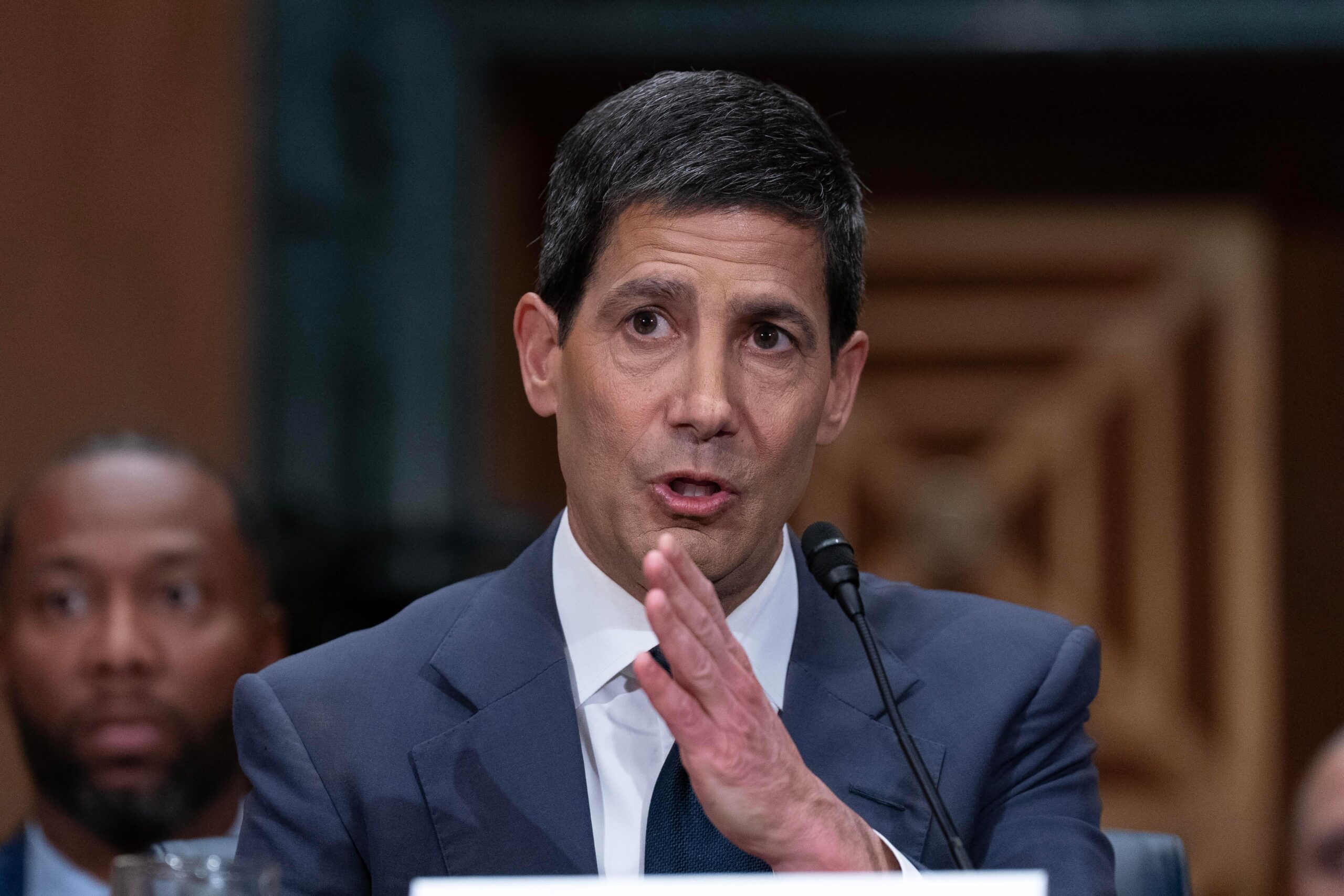
Warsh’s decision to establish review groups follows his earlier work auditing the Bank of England’s transparency practices. This approach allows him to build internal consensus while signaling to financial markets that he intends to put a personal stamp on the institution. For many observers, this mirrors a standard 100-day corporate reset, where a new executive gathers data and tests assumptions before committing to a specific policy agenda.
Experts note that these tactics carry distinct risks within the context of a central bank. While a CEO uses such reviews to boost shareholder value, a Fed chair must navigate the complexities of institutional independence and political sensitivity. Mike Sacks, a managing director at MikeWorldWide, suggests that while these moves serve to signal decisive leadership, they also risk alienating long-tenured staff who value the Fed’s traditional stability. Jo-Ellen Pozner, an associate professor at Santa Clara University, warns that aggressive structural shifts could threaten the expertise of highly trained personnel who view the Fed as an apolitical entity. Ultimately, Warsh’s initial phase of information gathering creates the necessary conditions for change, though it remains unclear whether these task forces will lead to a radical overhaul or merely a validation of existing institutional norms.
Comments (0)
No comments yet. Be the first!